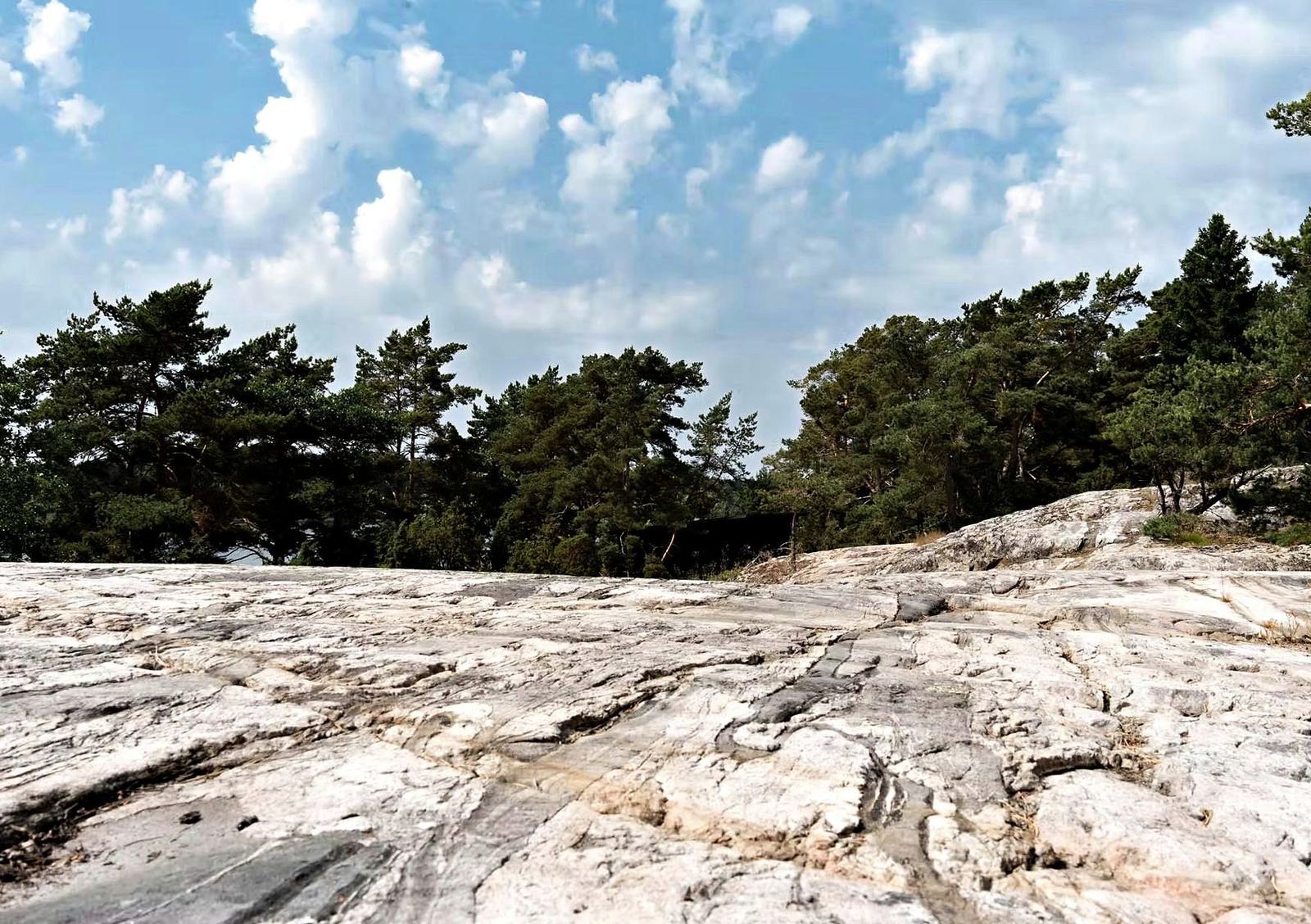
Untouched, and yours.
Every island has a story. Ours is part of a thousand-year one.
An island that has never been lived on.
Amalia has stayed in its natural state. Before the houses you stay in, no one had ever lived here, and the small island beside ours is still empty. You are among the first to wake up in this landscape.
More than half of the island remains unbuilt, and so do the islands around it. No neighbours in sight; now and then a boat passes, far out on the water.
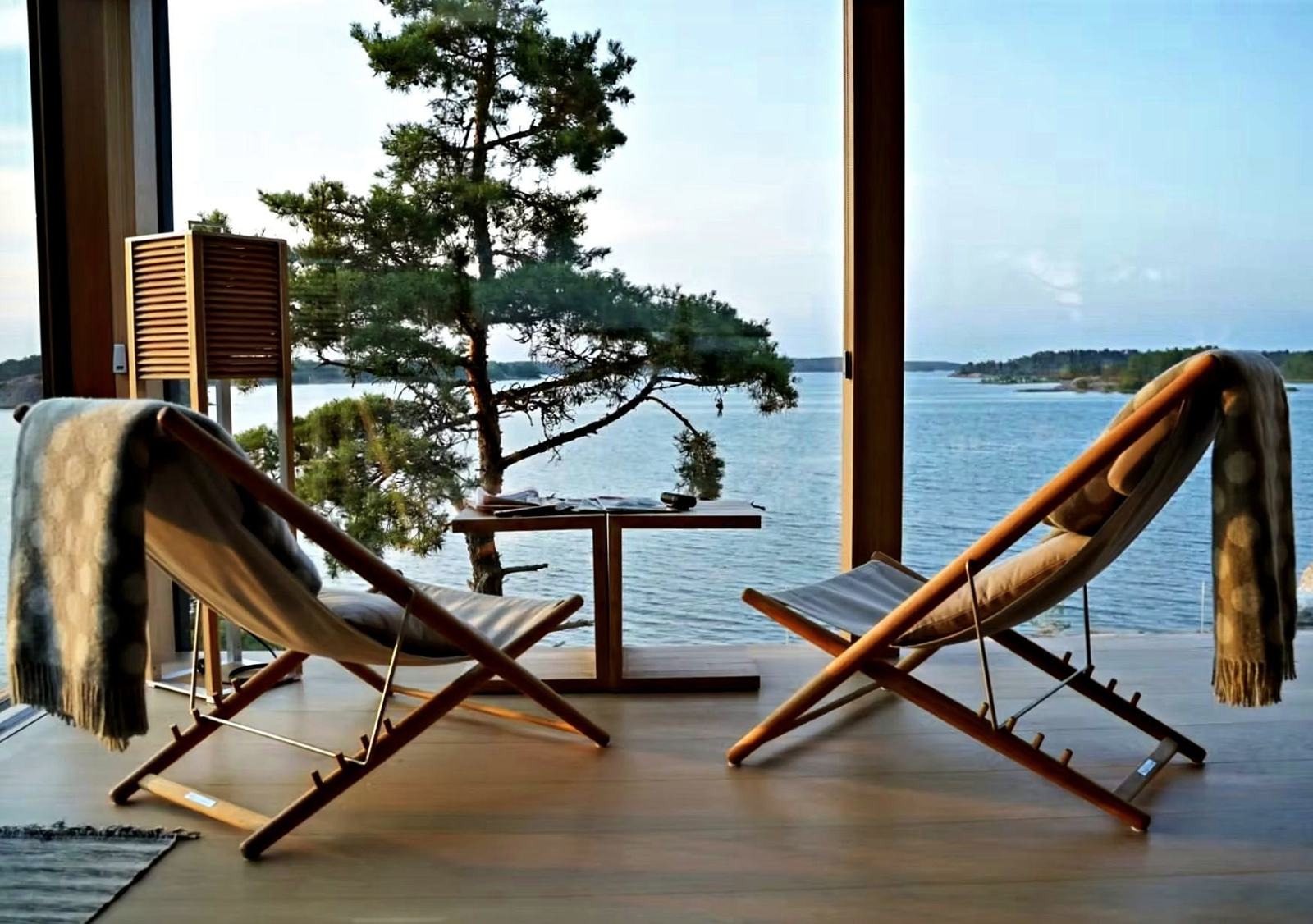
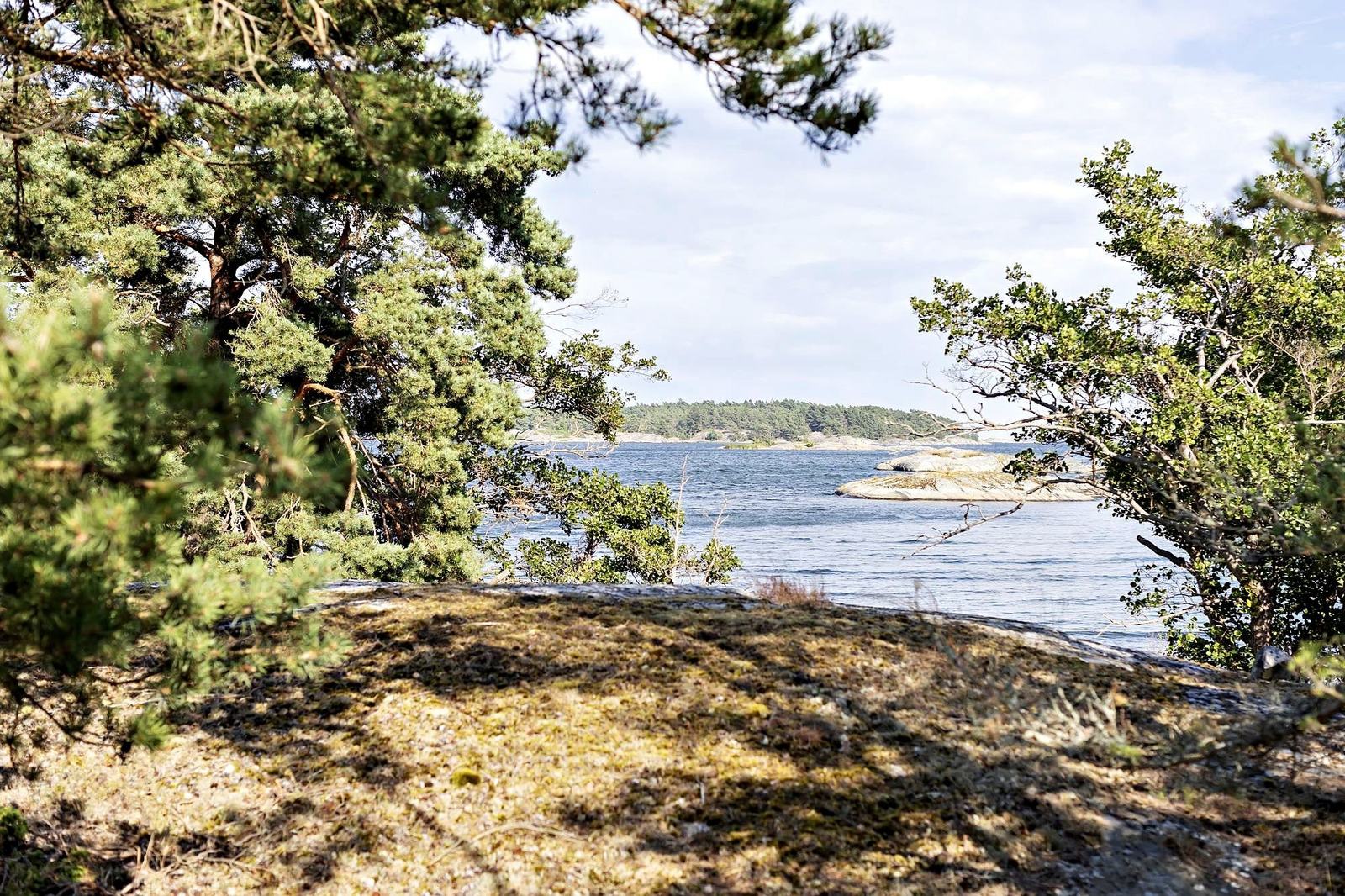
Nature is our hostWhat is precious does not need to change.
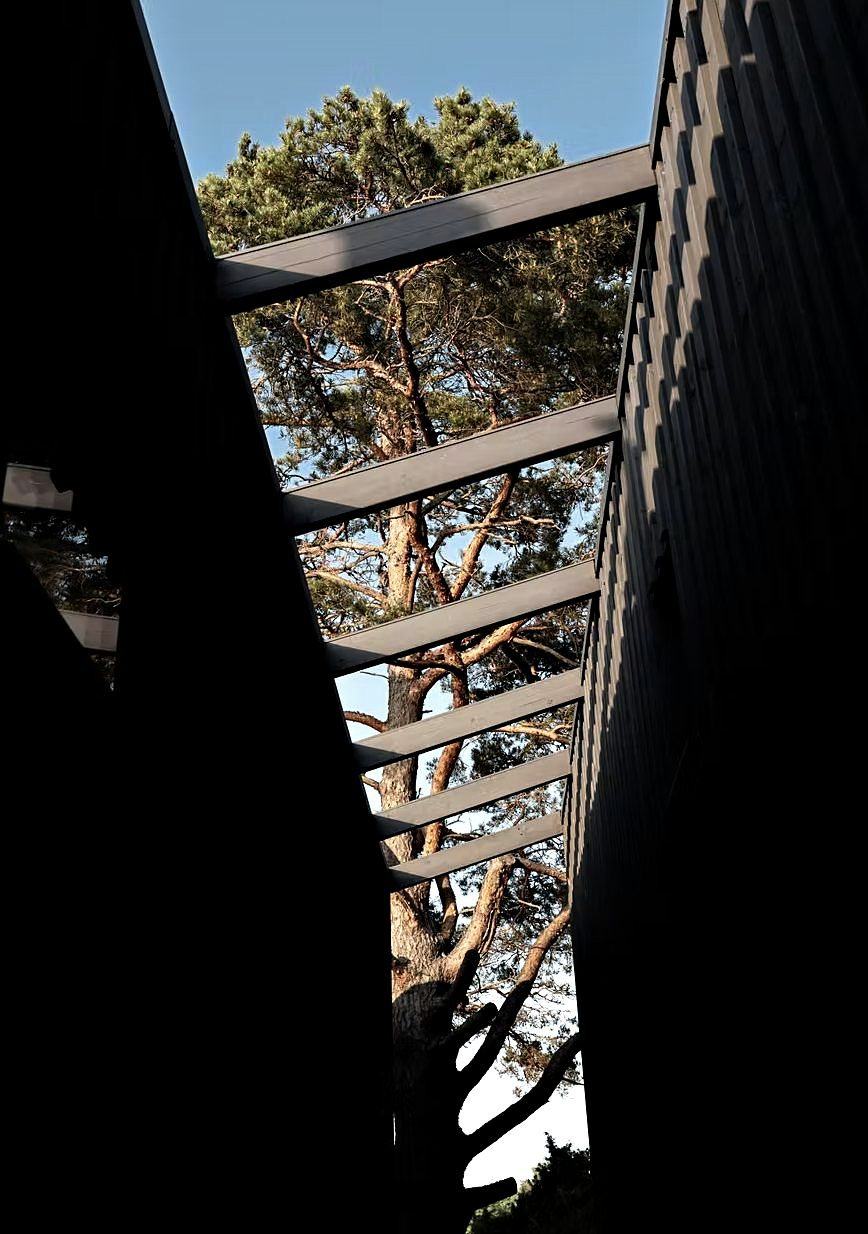
Not close to nature. Part of it.
Old pines, juniper and granite shape the island, and the houses follow them. They were placed around the ancient pines, never through them. The island’s biodiversity is protected, and every decision is made so that it will still thrive generations from now.
In spring and autumn, the archipelago lies beneath one of the great migration routes of northern Europe, and the sky fills with birds.
Nature is the host. We are its guests.
Sustainability here is not a label. More than half of the island is left as nature made it, and every decision is made to keep it that way.
- ProtectedThe junipersThe island’s junipers are protected by law. They stay exactly where they grow, as they have for generations.
- Left in peaceThe nesting groundsBirds nest close to the shore. In nesting season their places are left undisturbed, and watched only from a respectful distance.
- Luxury that gives backThe archipelago communityWe work with local fishermen, producers and guides, most of all in the quiet seasons, so the archipelago lives all year round.
A landscape still rising from the sea.
Your host tells these stories when the moment is right, and never as a lecture. Every story is true, and legends are told as legends.
The Ice AgeThe sea that gives land
When the ice sheet retreated at the end of the last Ice Age, the land beneath it began to rise, and it is rising still: here, around four to five millimetres every year. New skerries emerge from the sea and islands slowly grow into one another.
Eight hundred years ago the water in a nearby church strait stood three to four metres higher than today, wide enough for large ships. The granite of Amalia itself rose from the sea only in the last few thousand years.
The Viking AgeThe eastern route
The Viking route to Novgorod, Constantinople and Baghdad ran through these islands. A strait close to Amalia was an important harbour and trading place from at least the 900s, and an old Danish document describes a sailing route from Denmark through the archipelago to Tallinn.
It is the only reliably identified Viking-age trading place in Finland. Excavations in the 1990s found bronze, glass, beads, amber and silver coins cut into pieces for trade.
1997Finland’s only runestone
In 1997, a 24-kilogram fragment of a runestone was found on the shore of a nearby island. It bears an animal figure and a man’s name, Torfast. It is the only fragment of a runestone in Finland generally accepted as genuine. How it came to lie at the mouth of the strait is a mystery that may never be solved.
1771Catherine the Great’s lost treasure
In October 1771, the Dutch merchant ship Vrouw Maria sank in an autumn storm in the outer archipelago. Among her cargo were paintings bought in Amsterdam for Catherine the Great.
The wreck was found in 1999 at a depth of around 41 metres, almost intact, the lower masts still standing, because the Baltic has no shipworm to eat the wood. What remains in the hold is still partly a mystery.
1885 onwardsThe pilots and the emperor
An old pilot village in the outer archipelago was once one of the largest pilot stations in Finland. Emperor Alexander III and Empress Maria Feodorovna visited it fourteen times over nine summers from 1885. An inscription in the rock still marks their visits.
Local tradition says the emperor befriended a fisherwoman named Serafina, who became known as Kejsar-Fina, the Emperor’s Fina.
The archipelago, privately.
Outings by your own boat or car with a private guide. Many places follow the season, so your host confirms each one before it is promised.
- The neighbouring islandA Viking-age trading straitA reconstructed Viking village where the eastern route once passed.
- 1686A wooden church by the straitThe second-oldest wooden cruciform church in Finland.
- National parkThe fortress islandClosed for a hundred years: barracks, coastal guns and rich nature.
- The outer seaThe tallest lighthouse in the Nordic countriesA boat trip to the outer sea, 252 steps to the top. May to September, weather permitting.
- A manor by the seaAn art patron’s summer homeA museum, a 1930s garden and a sculpture park of moss trolls.
- A day on the mainlandTurku, Fiskars or HankoFinland’s oldest city, the home of Finnish design, or a spa town of old villas.